SAMSUNG DA97-17218D Refrigerator Door Gasket Defect
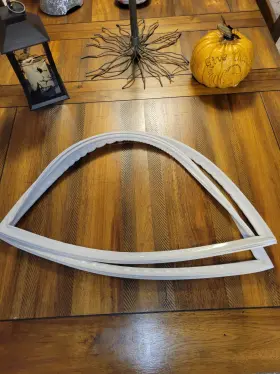
( Brand: Samsung ), ( Manufacturer Part Number: DA97-17218D ), ( Part Type: Gasket Door )
Review SAMSUNG Refrigerator Door Gasket Has Defect Read
Samsung DA97-17218D Refrigerator Door Gasket - Premium Seal for Optimal Performance and Energy Efficiency
The Samsung DA97-17218D Refrigerator Door Gasket is a crucial component designed to ensure an airtight seal between the refrigerator door and the body of the appliance. This gasket is specifically engineered for Samsung refrigerator models and is essential for maintaining the cold temperature inside the refrigerator and freezer compartments while preventing unwanted air from escaping.
Constructed from premium materials, the DA97-17218D gasket boasts superior flexibility and durability. It is made from a high-quality, food-grade rubber compound that can withstand the rigors of daily use, ensuring a consistent and effective seal over time. The gasket's design allows it to adapt to the door's contours and shape, creating a perfect fit that minimizes gaps and prevents cold air from leaking out.
The gasket's seamless integration with the refrigerator door not only enhances its performance but also contributes to the overall aesthetic appeal of the appliance. Its sleek, modern design complements the Samsung refrigerator's contemporary look, helping to maintain the appliance's stylish appearance.
One of the primary benefits of the Samsung DA97-17218D Refrigerator Door Gasket is its contribution to energy efficiency. A faulty or worn-out gasket can lead to significant energy loss, causing the refrigerator to work harder to maintain the desired temperature. By providing an airtight seal, this gasket helps the refrigerator operate more efficiently, reducing energy consumption and lowering your utility bills.
In the event that your Samsung refrigerator door gasket exhibits signs of wear, such as tears, cracks, or a loss of elasticity, replacing it with a new DA97-17218D gasket is a quick and cost-effective solution. Installing a new gasket is a straightforward process that can be completed in just a few minutes, allowing you to enjoy the benefits of an effective seal and enhanced energy efficiency right away.
In summary, the Samsung DA97-17218D Refrigerator Door Gasket is an essential accessory that delivers a premium seal for optimal performance and energy efficiency. Its flexibility, durability, and seamless integration with the refrigerator door make it a valuable investment for any Samsung refrigerator owner.
Buying a Samsung refrigerator with a known door gasket defect (model DA97-17218D) comes with both advantages and disadvantages. Let's explore each: Advantages:1. Potential for a Better Deal: If you're in the market for a new refrigerator and come across a discounted Samsung DA97-17218D model due to the door gasket issue, you may be able to secure a better deal than buying a brand-new one without any defects.
2. Quick Fix: Door gasket replacements are a common issue, and parts are readily available. Fixing the defect yourself or hiring a professional to do it for you is a relatively simple process compared to more complex refrigerator problems.
3. Familiarity with the Brand: If you've had positive experiences with Samsung appliances in the past, you might be inclined to stick with the brand, even if it comes with a known defect.
Disadvantages:1. Potential for Ongoing Issues: Door gasket defects can cause temperature inconsistencies, leading to food spoilage and increased energy consumption. If the gasket issue is not resolved promptly, it could lead to more significant problems down the line.
2. Potential for Longer Downtime: While door gasket replacements are generally a straightforward process, there can still be downtime involved. If the refrigerator is your primary one and you don't have a backup, this could be an inconvenience.
3. Risk of Additional Costs: Depending on the severity of the door gasket defect, you might end up spending more than anticipated on repairs or parts. Additionally, if the defect is not covered under warranty, the costs could add up.
In conclusion, buying a Samsung refrigerator with a known door gasket defect (model DA97-17218D) can save you money upfront, but it also comes with potential risks and inconveniences. It's essential to weigh these factors carefully and consider your specific circumstances before making a decision.
If the defect is minor and easily fixable or if you can secure a significant discount on the refrigerator, it might be worth the risk. However, if the defect is severe or if the potential downtime and additional costs are significant, it might be wiser to consider other options. Ultimately, your decision should depend on your budget, your tolerance for inconvenience, and your confidence in your ability to address the issue promptly and effectively.
Recommendation:If you're considering buying a Samsung refrigerator with a known door gasket defect (model DA97-17218D), I would recommend the following steps before making a decision:
1. Evaluate the severity of the defect: Assess the extent of the door gasket issue and determine if it can be easily fixed or if it's a more significant problem.
2. Consider the potential costs: Estimate the costs associated with the defect, including repairs, parts, and potential downtime.
3. Check the warranty: Review the warranty coverage for the refrigerator and determine if the defect is covered.
4. Compare prices: Research prices for similar Samsung refrigerators without known defects and compare them to the discounted price of the model with the door gasket issue.
5. Consider the risks: Weigh the potential risks and inconveniences against the benefits of purchasing a refrigerator with the known defect.
6. Seek professional advice: Consult with appliance repair professionals or Samsung customer support for their recommendations based on your specific situation.
By carefully evaluating all of these factors, you'll be able to make an informed decision about whether or not buying a Samsung refrigerator with a known door gasket defect (model DA97-17218D) is the right choice for you.
Details:
Comes with whats seen in the photo, no more, less. That is the whole reason my used parts cost less than new. This is in good condition and fully functional, but has a roughly This has no affect on functionality, and is unseen bottom of door.
Rip on bottom.
part #: da9717218d prices
- $119.10-$138.10
specifications toolssupp:
- brand: Samsung
- mpn: Da97-17218d
- part type: Gasket Door
general toolssupp:
- condition: Used
- Motors > Automotive Tools Supplies > Other Auto Tools Supplies
shipping toolssupp:
- type: Calculated
- transit: 5-11 Days
- class: Standard
- service: USPS Ground Advantage
- carrier: USPS
- cost: $0.00
seller toolssupp:
- city: Lindenhurst, New York
- # reviews: 2766
- rating: 96.8%
returns toolssupp:
- policy: No Returns
payments toolssupp:
- other
- wallet: Apple-pay
- credit card: Diners-club
offer toolssupp:
- quantity: 1
- availability: In Stock
- started: September 28, 2025
- options: Ship-to-home
- sold: 0
Samsung DA97-17218D Is Similar To:
- Samsung Dc97-19564a Washer Lid Assembly And Door Hinge Dc97-18004 (41.6% similar) Cross reference information. Model number. High-efficiency top-loading washer. Washer - 4.8 cu. Part number DC97-19564A OEM18721958 replaces AP6240651. This part works with the following model's: brand. Washer - 5.2 cu. Part number DC97-18004B OEM17901359 replaces AP5967118, 4000506...(October 19th, 2024)
- Samsung Da97-19430a Assy Gasket-ref Rf9000n Gray (51.9% similar) RF28N9780SR/AARF22N9781SR/AARF23J9011SR/AARF22K9381SR/AARF28K9070SR/AARF28K9380SR/AARF22M9581SR/AARF28M9580SR/AA...(November 15th, 2024)
- Samsung Da94-02563a Refrigerator Door Foam Genuine Original Equipment Manufactu (57.6% similar) The product is a genuine original equipment manufacturer oem refrigerator door foam made by Samsung with the part number DA94-02563A. This foam is designed specifically for Samsung refrigerators, ensuring a proper fit and optimal performance. It is a high-quality component that helps maintain...(January 4th, 2025)
- Samsung Da82-03437a Oem Assy-door Foam Brand New (38.2% similar) Samsung oem - DA82-03437A assay-door foam brand new...(January 23rd, 2025)
- Samsung Da97-04568x Assy Gasket-ref Polaris (50.5% similar) Assay gasket-ref;Polaris, Samsung DA97-04568X gasket-ref Polaris, Polaris...(February 20th, 2025)
- Samsung Dd82-01659a Oem New Dishwasher A s Assy-door-link R Dw7000km (29.7% similar) This is new item, but with some small scratches: the Samsung DD82-01659A dishwasher door/remote control door the correct replacement for following model numbers...(March 31st, 2025)
- Samsung 4709-002609 Oem Refrigerator W-lan Module Cwam210s Ref Pf 3 Ieee802.1 (45.3% similar) The Samsung 4709-002609 refrigerator module is the correct replacement for following model numbers...(May 17th, 2025)
- Samsung Da91-04694a New Replacement Freezer Door Refrigerator Rt21m6215sg Black (40.3% similar) New replacement freezer door, part number: DA91-04694A, fits Samsung refrigerator model RT21M6215SG, note: this door matches the black stainless steel refrigerator finish RT21M6215SG...(June 4th, 2025)
- Samsung Da97-12522y Refrigerator Flex Zone Door Gasket (70.2% similar) That is the whole reason my used parts cost less than new. This gasket is in good condition and fully functional. Comes with whats seen in the photo, no more, less...(August 3rd, 2025)
- Samsung Nc1mv90asr ash Brand New Compressor Cmp Comp Refrigerator R-134a (38.8% similar) CAMP,COMP,REFRIGERATOR,R-134A...(August 6th, 2025)
- Samsung De94-03611d Assy Door (44.9% similar) This product is an assembly door that includes various components necessary for replacing a damaged or malfunctioning on Samsung car truck. As a genuine Samsung part, it is designed to fit seamlessly and function properly, ensuring the safety security of vehicle occupants. The Samsung DE94...(August 21st, 2025)
