MERCEDES 172-584-14-07 Label Tire Pressure Benz
fits model: Slk250. make: Mercedes. year: 2012–2015.
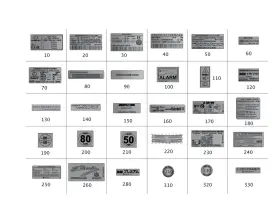
( Manufacturer Part Number: 172-584-14-07 ), ( Part Type: Pressure Tire ), ( Genuine Oem: Yes ), ( Warranty: 1 Year ), ( Fitment Type: Direct Replacement ), ( Make: Mercedes-benz ), ( Year: 2012 2013 2014 2015 ), ( Parts Included: Only Part Reference 240 On The Diagram Is Included )
Review MERCEDES benz Genuine Info Label Tire Pressure fits SLK250 2012–2015
The Mercedes-Benz 172-584-14-07 label tire pressure refers to the recommended inflation level for the original equipment tires installed on certain Mercedes-Benz vehicles. This pressure level is crucial for ensuring optimal vehicle performance, safety, and fuel efficiency.
These tires are designed to provide excellent handling, road grip, and a smooth ride. To maintain these qualities, it's essential to keep the tire pressure at the manufacturer's recommended level. The 172-584-14-07 label tire pressure indicates the ideal inflation level for the front and rear tires of the specific Mercedes-Benz model.
The recommended tire pressure for this label is typically expressed as two separate values, representing the pressure for the front and rear tires, respectively. For example, a label might read "250 kPa (35 psi) front, 270 kPa (38 psi) rear." These values are the minimum tire pressures and should not be exceeded.
Maintaining the correct tire pressure not only benefits the vehicle's performance but also extends the tire's lifespan. Under-inflated tires can lead to premature wear, poor handling, and reduced fuel efficiency. Over-inflated tires, on the other hand, can lead to harsh ride quality, increased tire wear, and potentially reduced safety.
To check your tire pressure, you'll need a reliable tire pressure gauge. Most gas stations and auto repair shops offer free tire pressure checks. Make sure to check your tire pressure regularly, ideally once a month, and always before long trips. Remember, maintaining the recommended tire pressure according to the 172-584-14-07 label is an essential part of Mercedes-Benz vehicle maintenance.
The Mercedes-Benz 172-584-14-07 is a specific part number for a tire pressure sensor produced by Mercedes-Benz. Here are some potential pros and cons of buying this tire pressure sensor:
Pros:1. Original Equipment: This tire pressure sensor is an original equipment part from Mercedes-Benz. It is designed to work specifically with Mercedes-Benz vehicles, ensuring a proper fit and function.
2. Improved Safety: Proper tire pressure is essential for vehicle safety and performance. A faulty tire pressure sensor can lead to inaccurate tire pressure readings, which could result in under-inflated or over-inflated tires.
3. Long-Lasting: Mercedes-Benz is known for producing high-quality parts, and this tire pressure sensor is no exception. It is designed to last for a long time, providing reliable tire pressure readings for thousands of miles.
4. Comfort and Fuel Efficiency: Proper tire pressure helps ensure a comfortable ride and optimal fuel efficiency.
Cons:1. Cost: Original equipment parts, like this tire pressure sensor, can be more expensive than aftermarket alternatives.
2. Availability: Depending on your location and the specific model of your Mercedes-Benz vehicle, this tire pressure sensor may not be readily available at local auto parts stores.
3. Limited Compatibility: This tire pressure sensor is designed specifically for Mercedes-Benz vehicles, so it may not be compatible with other makes and models.
Conclusion:The Mercedes-Benz 172-584-14-07 tire pressure sensor is an excellent choice for Mercedes-Benz vehicle owners who prioritize original equipment parts, safety, and long-term durability. However, it may be more expensive and less readily available than aftermarket alternatives. Ultimately, the decision to purchase this tire pressure sensor depends on your personal preferences, budget, and vehicle needs.
Recommendation:If you own a Mercedes-Benz vehicle and are in need of a new tire pressure sensor, the Mercedes-Benz 172-584-14-07 is a solid choice for ensuring proper tire pressure and maintaining vehicle safety and performance. However, if cost is a concern, you may want to consider aftermarket alternatives before making a final decision. It is always recommended to consult with a trusted mechanic or Mercedes-Benz dealership for personalized advice and recommendations.
Details:
Shipping Carrier substitutions may be made at our determination in an attempt to reduce shipping cost the customer. Parts must be resalable and in the original packaging. Electrical parts are not returnable.
part #: 1725841407 prices
- $21.12-$170.00
specifications toolssupp:
- for models: Slk250
- for makes: Mercedes
- for years: 2012-2015
- mpn: 172-584-14-07
- part type: Pressure Tire
- genuine oem: Yes
- warranty: 1 Year
- fitment type: Direct Replacement
- make: Mercedes-benz
- year: 2012 2013 2014 2015
- parts included: Only Part Reference 240 On The Diagram Is Included
payments toolssupp:
- credit card: Diners-club
- other
- wallet: Apple-pay
seller toolssupp:
- # reviews: 0
- rating: 0.0%
- city: San Diego, California
returns toolssupp:
- paid by: Buyer
- time: 30 Days
- policy: Returns Accepted
general toolssupp:
- Motors > Automotive Tools Supplies > Other Auto Tools Supplies
- condition: New
shipping toolssupp:
- type: Fixed
- cost: $8.99
- transit: 4-10 Days
- class: Standard
- service: Standard
offer toolssupp:
- sold: 0
- started: June 6, 2025
- availability: In Stock
- options: Ship-to-home
- quantity: 4
Mercedes 172-584-14-07 Is Similar To:
- Mercedes-benz 950 589 00 61 W950589006100 Alternative Detroit Diesel Dd13 dd15 Clutch Alignment Tool (33.3% similar) Mercedes-benz / Detroit diesel DT12 clutch install tool. Used only one time, small amount of surface rust, see pictures. In great shape...(May 17th, 2024)
- Mercedes-benz 722589031500 Drift P Inch Genuine (44.6% similar) The pin is made from durable materials and features the iconic mercedes-benz logo, making it a stylish functional accessory. With its precise design and high-quality construction, its the perfect addition to your collection. Its a great way to show your love for mercedes-benz and their iconic...(August 29th, 2024)
- Mercedes Bosch 009149171 Mass Air Flow Sensor For Benz R164 W203 W204 W211 W212 2730940948 (22.9% similar) This mass air flow sensor was removed from a 2003 E500. This is a used item. Although every effort is made to photograph the items accurately and describe my products in detail, I cannot guarantee computer monitor will depict actual color of item. Please make certain that this is the exact and...(September 7th, 2024)
- Mercedes Benz 112589002500 Mercedes-benz Sealant Applicator 112 589 00 2500 (51% similar) This is an benz oem with part #112 589 25. Mercedes benz sealant applicator. Used a few times...(September 11th, 2024)
- Mercedes-benz 167-584-56-18 Genuine Mercedes-benz Tire Press Label (80% similar) Electrical parts are not returnable. An information label with tire specifications. Shipping carrier substitutions may be made at our determination in an attempt to reduce shipping cost the customer. Parts must be resalable and in the original packaging...(January 26th, 2025)
- Fourm 4m-113 Mercedes Benz C230 C240 C280 Special 2 Pin Strut Socket Type W203 (35.5% similar) Hole is 14MM diameter. Here is a forum 4M-113 special suspension socket. Made by forum, brand from Europe. Samsung sales combines shipping for multiple items to save you costs. Outside, diameter of the pins is 17MM. Pins are 2.5MM wide...(February 5th, 2025)
- Brakemotorparts Bmp10542212it Injector Puller For Bosch System 6pcs Mercedes Benz With Slide Hammer (26.6% similar) Please refer to the listing pictures for an accurate of parts included in kit. New list item. Your best choice of motor parts. Item specifics: brand: , warranty: 1 year, manufacturer part number: BMP10542212IT, type: engine tool...(February 7th, 2025)
- Parautostore Pa10578ra422t 6pcs Injector Puller For Bosch System Mercedes Benz With Slide Hammer (27.1% similar) Use for mercedes-benz CID engines 611.612.613 etc. Please refer to the listing pictures for an accurate of parts included in kit. S: for removing adapted tight common rail injectors without having to disassemble cylinder head. Fast shipping:all our packages use...(February 12th, 2025)
- App Autoparts Ap105422pa201s 6x Injector Puller For Bosch System Mercedes Benz With Slide Hammer (27.1% similar) Injection puller with impact hammer, injection nozzles that do not fit very tightly can be pulled out without needing to take them apart or remove the cylinder block. If this proves necessary the injector solenoid is removed and adaptor screw onto thread of. Use for mercedes-benz CID...(February 25th, 2025)
- Mercedes-benz 1445307-00 Genuine Mercedes-benz Mer Upscale Drawstring Bag Black (64.1% similar) Shipping carrier substitutions may be made at our determination in an attempt to reduce shipping cost the customer. Large top access main compartment flush front zippered pocket holds your basic essentials for quick-access double-sided mesh back ensures a more comfortable wear and increases air...(April 2nd, 2025)
- Parautostore Pa10597ra422s 6pcs Injector Puller For System Mercedes Benz With Slide Hammer (28% similar) Injection puller with impact hammer, injection nozzles that do not fit very tightly can be pulled out without needing to take them apart or remove the cylinder block. If this proves necessary the injector solenoid is removed and adaptor screw onto thread of. The images shown are not the...(April 23rd, 2025)
